An Iconic Symbol of Osaka
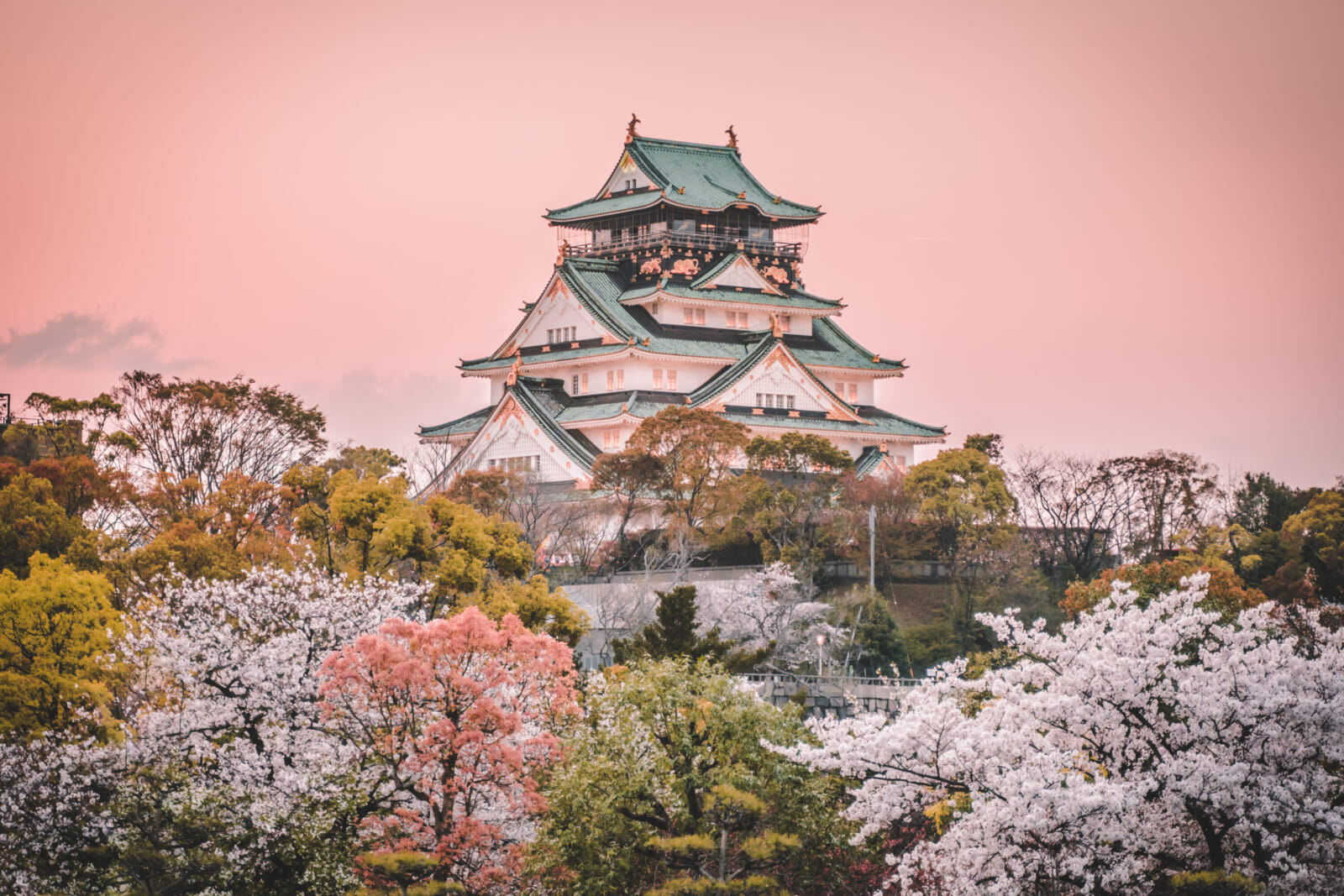
Osaka Castle stands as one of Japan’s most recognizable landmarks and a powerful symbol of the nation’s feudal past. Originally constructed in 1583 by the legendary warlord Toyotomi Hideyoshi, the castle played a pivotal role in the unification of Japan during the 16th century. Though the current main tower is a 1931 concrete reconstruction, the structure maintains its imposing presence with gleaming white walls accented by striking gold leaf decorations.
The castle’s inner grounds and fortifications span approximately 60,000 square meters, while the entire Osaka Castle Park covers over 1 million square meters. The site features impressive stone walls and moats that showcase the defensive architecture of feudal Japan. Inside the eight-story main tower, visitors will find a museum displaying artifacts related to Toyotomi Hideyoshi, the castle’s history and Osaka’s role in Japan’s unification. The observation deck on the top floor offers panoramic views of Osaka city.
Surrounding the castle, Nishinomaru Garden provides a peaceful retreat with over 600 cherry trees that transform the grounds into a spectacular display each spring. The castle park is free to enter, though there’s an admission fee for the main tower and special garden areas — check the official website for current pricing. Beyond its historical significance, Osaka Castle serves as a popular gathering spot for both tourists and locals, offering seasonal events and illuminations throughout the year.
Best Times To Visit Osaka Castle
Spring (late March to early April) is undoubtedly the most spectacular time to visit Osaka Castle when over 3,000 cherry trees across the castle grounds burst into bloom. The combination of pink sakura petals against the white castle walls creates an iconic Japanese scene. However, expect large crowds during this peak season.
Autumn (November) offers another excellent visiting period with comfortable temperatures and stunning fall foliage coloring the castle grounds. The weather is ideal for exploring the extensive park areas without the intense summer heat or spring crowds. Winter visits provide a quieter experience, though some outdoor areas may be less appealing in cold weather. Summer can be hot and humid, but evening illumination events make this season worthwhile for those who don’t mind the heat.