The Residence of the Shogun
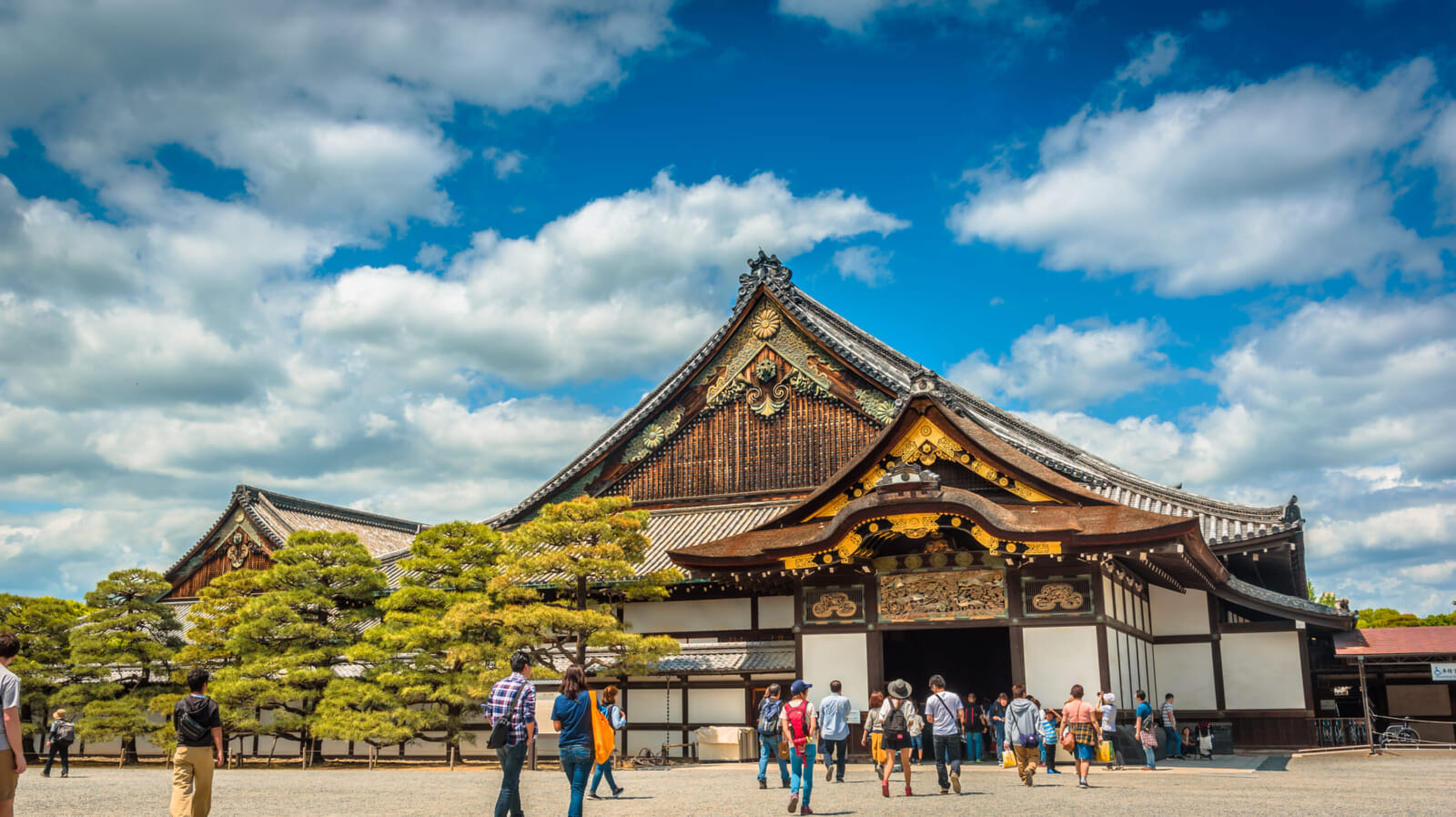
Nijo Castle stands as one of Kyoto’s most significant historical landmarks, offering visitors a rare glimpse into Japan’s feudal past. Built in 1603 as the official Kyoto residence of Tokugawa Ieyasu, the first shogun of the Edo period, this UNESCO World Heritage Site exemplifies the power and sophistication of the Tokugawa shogunate. The castle complex spans approximately 275,000 square meters and features stunning architecture, beautiful gardens and the famous “nightingale floors” designed to chirp when walked upon as a security measure against intruders.
The castle is renowned for its ornate Ninomaru Palace, which contains over 3,000 paintings by the Kano school artists and rooms decorated with gold leaf. The palace’s 33 rooms showcase different aspects of samurai life and political power, including the grand hall where the last shogun, Tokugawa Yoshinobu, returned power to the emperor in 1867, marking the end of the shogunate era. The castle grounds also feature meticulously maintained Japanese gardens, including the Ninomaru Garden designed by renowned tea master and landscape architect Kobori Enshu.
Best Times To Visit Nijo Castle
The castle is spectacular year-round, but spring (late March to early April) is particularly popular when the cherry blossoms bloom throughout the grounds. Fall (November) offers equally stunning views with vibrant autumn foliage coloring the gardens. To avoid crowds, visit on weekday mornings when the castle opens at 8:45. The castle is closed on Tuesdays in January, July, August and December, and closed from December 26 to January 4 for the New Year holiday, so plan accordingly.